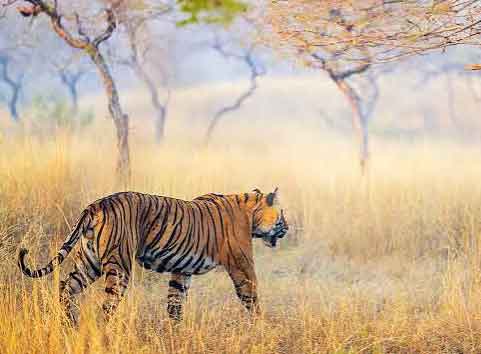
A wildlife safari experience in india is a journey into nature’s beauty and diversity. The country’s national parks are home to iconic species like Bengal tigers, Asian elephants, and one-horned rhinoceroses.
During a safari trip, travellers should bring essentials such as comfortable clothing, sunscreen, binoculars, and a camera with a good zoom lens. It is also important to follow the instructions of trained guides and respect wildlife.
Ranthambore National Park
Ranthambore National Park is a top choice for wildlife enthusiasts who are looking for an exotic experience. The park is home to tigers, ancient forts, and a wide range of other wild animals. The safaris are exciting, and there is always something new to see. There are also plenty of other activities to enjoy, including art and culture.
Bengal tigers are the main attraction, and the park offers an exhilarating chance to spot one in the wild. In addition to tigers, Ranthambore has leopards, sloth bears, Indian wolf and striped hyenas, marsh crocodiles, nilgai (blue bull), sambar and chital deer, and roughly 270 bird species.
The ruined 10th-century Ranthambore Fort is located within the park, and there are other historic temples, gates, and reservoirs to explore. The nearby Chambal River Sanctuary is a haven for gharials, freshwater turtles, and other aquatic wildlife. The serene Surwal Lake is a peaceful spot for watching migratory birds. And a village walk is a fascinating opportunity to learn about local life and customs. The Trinetra Ganesh Temple is another must-see for spiritual seekers.
Jim Corbett National Park
The experience of a safari in Jim Corbett National Park is the highlight of any visit to this iconic wildlife sanctuary. The forest teems with Bengal tigers and other wild animals, along with hundreds of bird species.
You can take a jeep safari in the Dhikala zone, which is open from November to June. The safari allows you to immerse yourself in the symphony of bird calls and distant roars of tigers and other animals.
Alternatively, you can explore the buffer zones on a guided nature walk. These walks reveal details that you tend to overlook while travelling in a vehicle, such as the tracks and signs that animals leave behind.
There are also plenty of other attractions near Jim Corbett National Park, including Ranikhet, Chaubatia Gardens, and Garjiya Devi Temple. Each offers a unique cultural and scenic experience.
Bandhavgarh National Park
In Bandhavgarh, you can experience a Safari in one of India’s premier wildlife reserves. A safari here will immerse you in a world of untammed wilderness and wildlife wonders, where the thrill of the hunt is combined with the awe-inspiring spectacle of nature’s raw power.
The reserve’s main entrance is at Tala village, which serves as the base for wildlife safaris into its three core zones – Tala, Magadhi and Khitauli. Its highest plateau is topped by the fort that gives its name to the reserve; MP Tourism notes that it’s seen on tiger drives. Chakradhara, a meadow surrounded by hillocks, has a high concentration of game including sambar and chital, while Sehra meadow’s sarus cranes breed in June.
The park also has a number of ancient caves. The most well-known are Bari Gufa and Three Cave Point, both of which can be viewed from Ganesh Hillock Road. The latter houses several carvings from the medieval era and is said to be used by sloth bears now. The park is dotted with a variety of other ancient caves, which can be accessed on foot.
Kanha National Park
Kanha National Park is one of the best places to see wild animals. It is also known for its important work to protect wildlife and plants. Located in central India, this park is spread across two districts: Mandla and Balaghat. People from all over the world come to visit this beautiful park to enjoy nature and see the animals.
This park is divided into different areas, which are called zones. The core zone is the most popular and offers visitors a chance to spot a variety of animals and birds. The Kanha meadows and rocky terrain of Bamhnidadar are excellent places to find spotted deer, Indian bison (gaur), and other animals.
This park’s forests are a good place to spot wildlife, including tigers and other large mammals. Its wide open meadows and dense forest were reportedly the inspiration for Rudyard Kipling’s Jungle Book, so it isn’t hard to imagine Mowgli running through these forests. You’ll also find pythons, cobras, and many species of bird in the area. It is important to stay quiet inside the park to avoid disturbing the animals.
Kaziranga National Park
A UNESCO World Heritage Site famous for holding two-thirds of the world’s one-horned rhinoceros population, Kaziranga National Park is a testament to visionary conservation. The park spreads over 430 sq km on the Brahmaputra floodplains in Assam and is also home to Bengal tigers, Asia’s largest herd of elephants, wild water buffalo, barasingha swamp deer, and more than 480 bird species.
It’s the only Indian safari park where you’re almost guaranteed multiple big-game encounters per game drive, compared to the odds of a single sighting in Ranthambore. The best time for wildlife is November-February, when migratory birds are at their peak.
Aside from awe-inspiring wildlife, Kaziranga is also a nature retreat and home to local villages that live in harmony with the park’s natural environment. In addition to the usual jeep and elephant safaris, Kaziranga has a special Orchid Park that showcases hundreds of orchids in all shapes, sizes, and colors. The park also has several sections that highlight the history of Assam’s people and culture. Our luxury travel agency offers a range of wildlife tours in India that include trips to Kaziranga National Park.



Leave a Reply